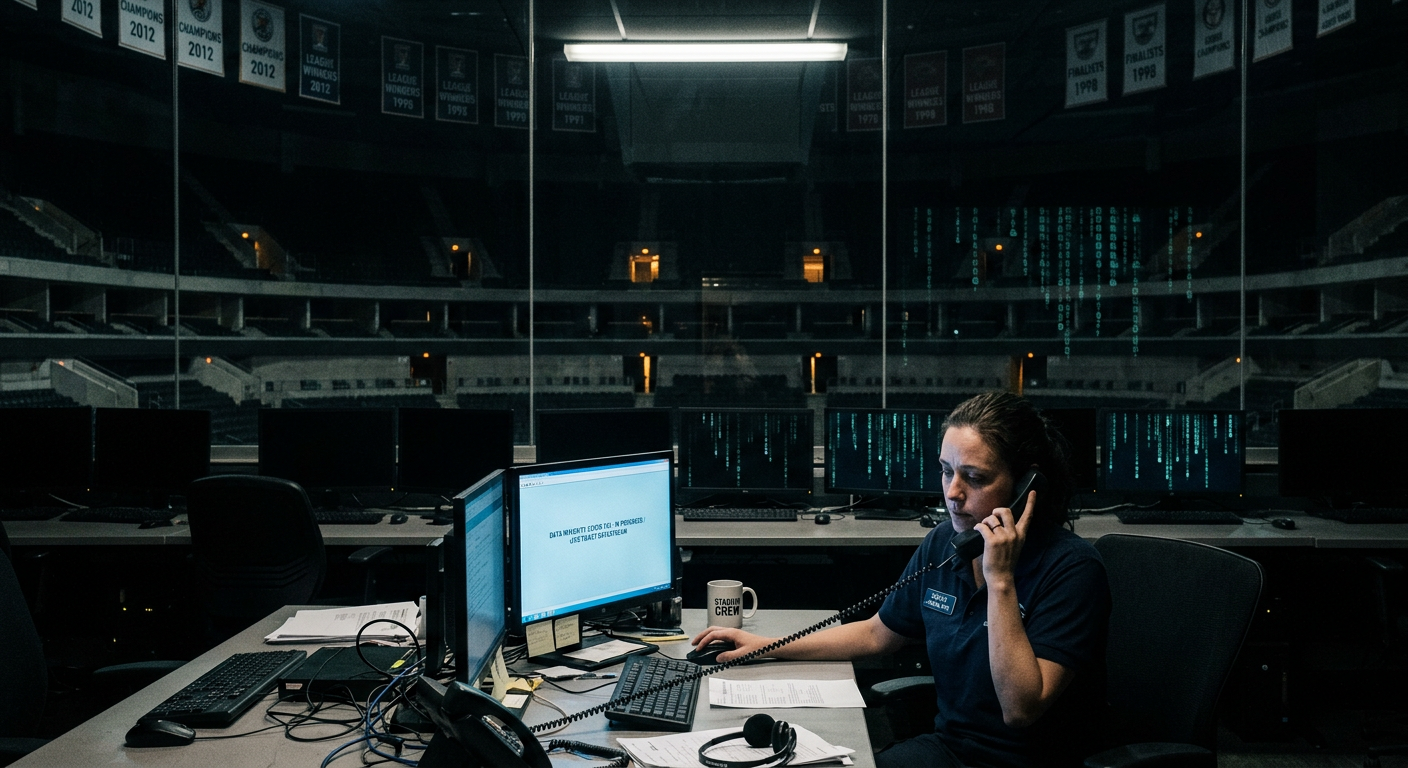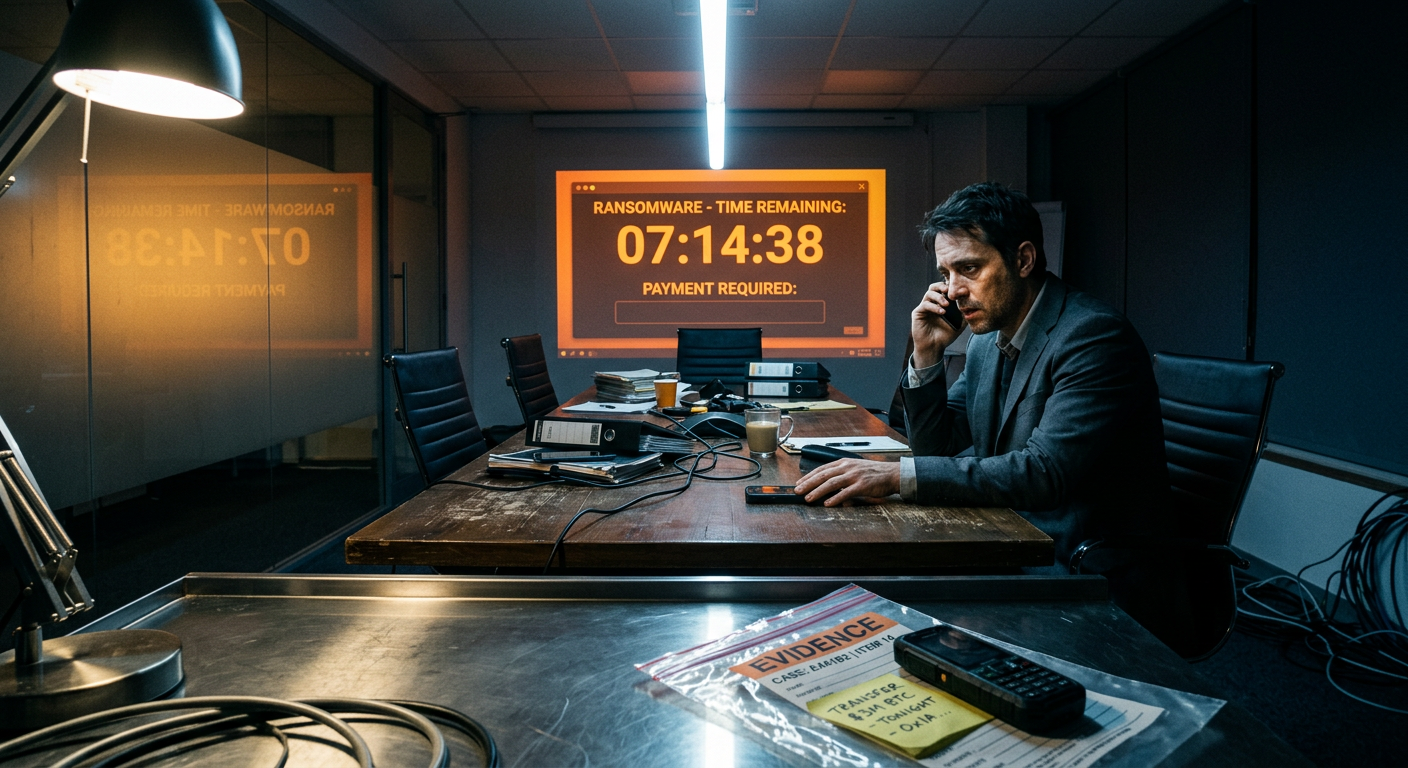
In the spring of 2026, the learning management system that runs a large share of American higher education became the stage for one of the year’s most disruptive breaches. Canvas, operated by Instructure, was compromised by the threat group ShinyHunters, exposing personal data tied to hundreds of millions of users across roughly 8,800 institutions worldwide. The attackers did not stop at exfiltration. On May 7, students sitting down to study for finals were met with defaced Canvas login pages carrying extortion messages — a pressure tactic engineered to maximize chaos at the worst possible moment in the academic calendar. Instructure eventually reached an agreement with the attackers, by unconfirmed accounts paying roughly $10 million, despite the FBI’s longstanding guidance against paying ransoms.
The Canvas incident is more than a breach story. It is a compliance case study in three dimensions that every institution and every vendor-dependent organization should study: the concentration risk of a single critical platform, the specific legal obligations triggered when the data is student education records, and the cascade of consequences that follows a decision to pay.
What Happened
The intrusion began in late April 2026. Unauthorized actors accessed Canvas systems on or around April 25; Instructure detected the intrusion roughly four days later, revoked the unauthorized access, and engaged third-party forensic experts. The data implicated included names, email addresses, student ID numbers, and messages exchanged between users. Instructure stated it had found no evidence that passwords, dates of birth, government-issued IDs, or financial information were involved.
The incident escalated publicly on May 7, when a second wave of activity tied to the same breach defaced the Canvas login portals at hundreds of institutions with extortion messages, setting a ransom deadline and threatening to leak the stolen data — reported at multiple terabytes. The timing was not incidental. Many institutions were in the middle of final exams, and the outage and defacement struck during the highest-stakes week of the term, stranding students mid-assessment.
ShinyHunters — the same financially motivated group tied to a string of 2026’s largest data thefts — claimed responsibility. Instructure later stated it had reached an agreement with the actor and that the compromised data had been destroyed, though the terms were not made public and the “destruction” of data in an extortion settlement is, by its nature, unverifiable.
The Compliance Dimension That Sets Education Apart: FERPA
What distinguishes this from a generic corporate breach is the nature of the data. Student records in the United States are governed by the Family Educational Rights and Privacy Act (FERPA), and the data elements exposed — names, student ID numbers, and inter-user messages — are the kind of information that constitutes personally identifiable information from education records when held by or on behalf of a school.
FERPA’s structure matters here. The statute binds educational institutions, not their vendors directly. A platform like Canvas typically processes student data as a “school official” with a legitimate educational interest under the FERPA exception that allows institutions to share records with outside service providers — but only where the institution maintains direct control over the vendor’s use and maintenance of the records, and the vendor is bound to use the data only for authorized purposes. When a vendor in that position suffers a breach, the legal and reputational exposure flows back to each institution. Hundreds of colleges and school districts became, overnight, parties to a breach they did not cause and could not have detected from the outside.
FERPA does not contain a HIPAA-style breach-notification mandate with fixed deadlines and a federal penalty schedule, but the obligations are real:
- Institutions must take reasonable methods to ensure that school officials (including vendors) access only the records in which they have a legitimate interest, and must maintain control over outsourced data.
- The U.S. Department of Education can require corrective action and, in cases of serious or repeated violations, can ultimately move to terminate federal funding — the statute’s enforcement backstop.
- A breach of this kind frequently triggers a separate web of state data-breach notification laws, many of which do reach student data and impose firm notice timelines and content requirements. Institutions, not the vendor alone, are often the entities with the notification duty to affected residents.
For K-12 specifically, additional protections under the Protection of Pupil Rights Amendment and a growing body of state student-privacy statutes layer on further obligations. The compliance burden of a single vendor breach, in other words, multiplies across every institution and every jurisdiction in which affected students reside.
The Concentration Risk Made Visible
The Canvas breach is a textbook illustration of vendor concentration risk — the systemic exposure created when a single third-party platform sits at the center of an entire sector’s operations. When one LMS serves thousands of institutions, a compromise of that vendor is not 8,800 isolated incidents; it is one event with 8,800 blast radii. The same dynamic that makes a shared platform efficient makes it a high-value single point of failure.
This is the supply-chain and third-party-risk theme that regulators and frameworks have been pressing for years, now playing out in the education sector. The uncomfortable truth for institutional risk officers is that due diligence at procurement is necessary but not sufficient. An institution can run a flawless vendor security review and still inherit the consequences of a breach it had no ability to prevent or detect. What it can control is its contractual posture, its data minimization, its breach-response readiness, and its dependency planning.
The Ransom Decision and Its Fallout
Instructure’s reported decision to negotiate and pay — against FBI guidance — sits at the center of an unresolved debate in incident response. The arguments against paying are well established: payment funds and incentivizes future attacks, the “destruction” of stolen data cannot be verified, and there is no guarantee against re-extortion. There are also sanctions-compliance risks: paying a ransom to a sanctioned entity or one operating in a sanctioned jurisdiction can itself violate U.S. Office of Foreign Assets Control (OFAC) rules, exposing the payer to strict-liability penalties independent of the breach. OFAC and the FBI have repeatedly cautioned organizations on exactly this point.
The arguments a victim makes for paying are equally familiar — the prospect of halting a leak of sensitive data and restoring operations under acute time pressure. But the compliance reality is that a ransom payment does not extinguish any legal obligation. It does not eliminate the duty to notify under state law, it does not cure a FERPA control failure, and it does not undo the exposure of the data. At best it is a risk-mitigation gamble layered on top of obligations that remain fully in force.
What to Do Now
For institutions dependent on critical third-party platforms — in education and well beyond — the Canvas breach offers a concrete checklist:
-
Inventory your concentration points. Identify the single vendors whose compromise would halt operations or expose regulated data at scale. These deserve heightened, ongoing scrutiny — not a one-time procurement review.
-
Get the contractual data-protection terms right. For FERPA “school official” arrangements, the contract must establish direct institutional control, restrict use to authorized purposes, prohibit re-disclosure, and impose firm breach-notification timelines running to you, with cooperation and indemnification provisions. Confirm the vendor must notify you fast enough for you to meet your statutory deadlines.
-
Minimize what the platform holds. The fewer sensitive data elements a vendor stores — and the shorter the retention — the smaller the blast radius when (not if) it is breached. Push back on default collection of identifiers the platform does not need.
-
Pre-decide the ransom question. Do not make a payment decision for the first time at 1 a.m. during finals week. Establish a policy and an escalation path now, with legal, the board, cyber insurance, OFAC screening, and law enforcement engagement built into the playbook.
-
Map your notification obligations in advance. Know which state breach-notification laws apply to your student population, what they require, and on what clock — so that when a vendor breach lands, you are executing a plan rather than researching the law.
-
Plan for platform unavailability. The defacement and outage stranded students mid-finals. Academic-continuity planning — alternative submission channels, deadline flexibility, downtime procedures — is now part of data-protection resilience, not a separate concern.
Conclusion
The Canvas breach compressed several of the year’s hardest compliance lessons into a single event timed for maximum damage. It showed how a concentrated vendor turns one intrusion into a sector-wide crisis; how FERPA and state breach laws push the consequences back onto institutions that never touched the attacker; and how a ransom payment, whatever its operational logic, settles none of the legal obligations it is sometimes imagined to resolve. For every organization that has outsourced something critical to a single platform — which is to say, nearly all of them — the question the breach poses is not whether your vendor is secure today, but whether you are ready for the day it is not.
This article is provided for informational purposes only and does not constitute legal advice.