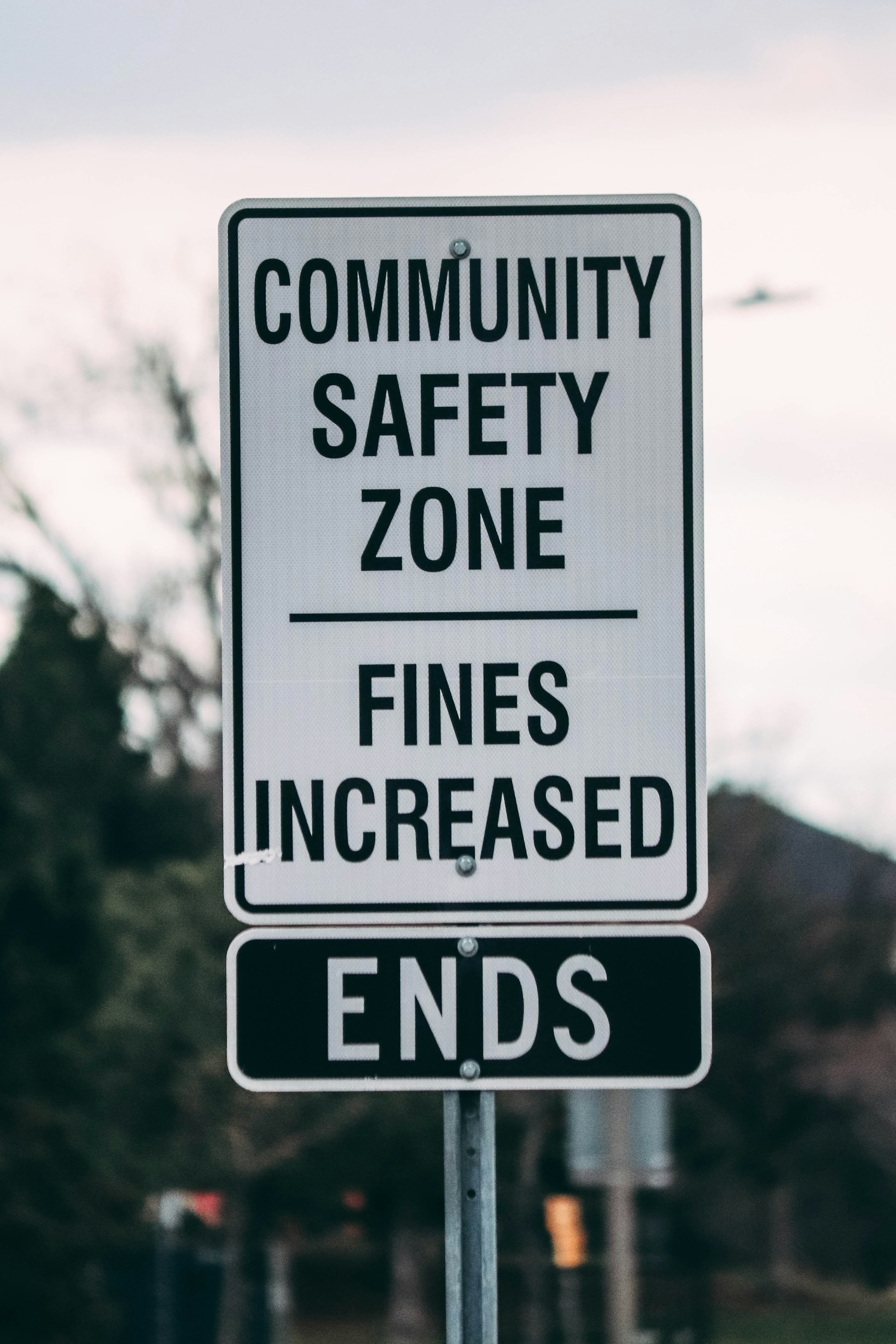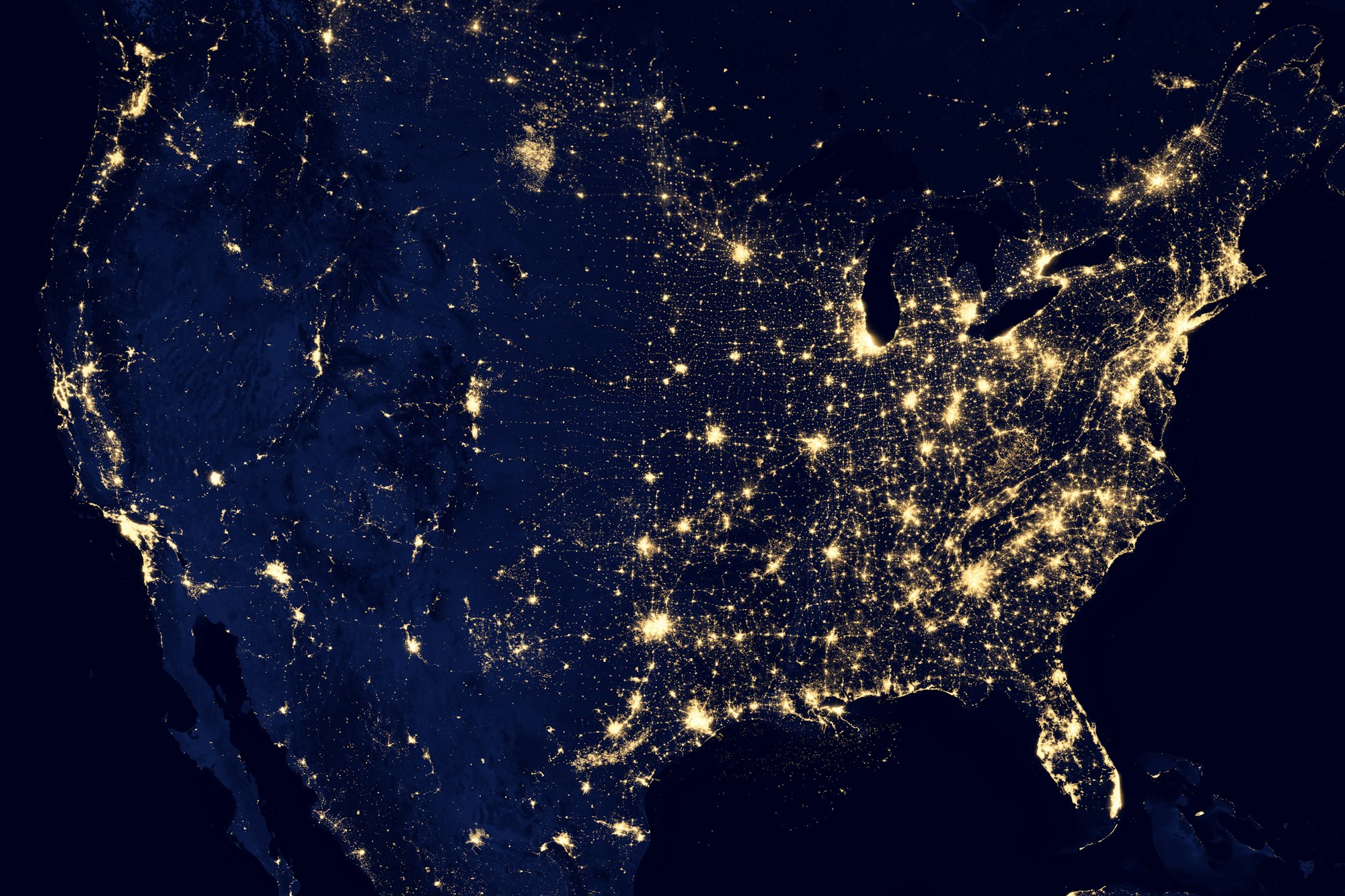
On February 13, 2026, Amazon’s Ring announced it was cancelling its planned integration with Flock Safety, the surveillance technology company whose camera network has been accessed by ICE and other federal agencies. The cancellation came just four days after a Super Bowl advertisement triggered a massive public backlash—but the compliance and vendor risk lessons from this saga will resonate far longer than the news cycle.
For compliance professionals, the Ring-Flock story isn’t just about surveillance technology. It’s a textbook case of how third-party partnerships can create cascading privacy risks, regulatory exposure, and reputational damage that no due diligence questionnaire would have caught.
What Ring and Flock Were Building
To understand the compliance implications, you need to understand the integration architecture.
Ring, owned by Amazon since 2018, operates the largest residential camera network in the United States—an estimated 20 to 30 million devices. Flock Safety, valued at over $4 billion, operates automated license plate readers (ALPRs) in more than 5,000 U.S. cities, capturing billions of license plate images monthly.
The partnership, announced in October 2025, would have bridged these two surveillance networks through Ring’s “Community Requests” program:
- A law enforcement agency using Flock’s software could submit a request for video footage from Ring cameras in a specific geographic area
- Ring would push notifications to camera owners in that area
- Owners who opted in could share their footage with the requesting agency
- The video would flow through Flock’s evidence management system
On paper, an efficient crime-solving tool. In practice, it created an integrated surveillance infrastructure capable of tracking both vehicles and pedestrians across neighborhoods—with footage accessible to thousands of law enforcement agencies, some of whom have been documented sharing access with federal immigration authorities.
The Compliance Failures This Reveals
1. Vendor Risk Assessment Gaps
The Ring-Flock partnership exposes a fundamental gap in how organizations assess vendor risk. Traditional vendor risk management frameworks focus on:
- Data security controls (encryption, access management)
- Regulatory compliance (SOC 2, ISO 27001)
- Business continuity and disaster recovery
- Financial stability
What they typically miss:
- Downstream partnership risks: When your vendor partners with another vendor, what exposure does that create?
- Law enforcement access pathways: How many ways can government agencies access data through your vendor’s ecosystem?
- Reputational contagion: Can your vendor’s partnerships create guilt-by-association reputational damage?
- Consumer backlash risk: Will end users revolt against your vendor’s business decisions?
Flock Safety’s acknowledgment that it “cannot prevent” local law enforcement partners from sharing data with federal agencies like ICE represents exactly the kind of control gap that traditional vendor assessments don’t surface. A SOC 2 Type II report wouldn’t flag this. A standard security questionnaire wouldn’t ask about it.
2. Privacy Program Blind Spots
For organizations using Ring cameras at office locations, retail sites, or other facilities, the Flock partnership created privacy exposure that most privacy programs wouldn’t have anticipated:
- Data flow uncertainty: Footage captured by company-owned Ring cameras could potentially enter law enforcement databases through pathways the organization never agreed to
- Consent framework gaps: Employees, visitors, and passersby captured on Ring footage didn’t consent to potential law enforcement surveillance
- DPIA inadequacy: Most Data Protection Impact Assessments for security cameras don’t account for vendor-to-vendor data sharing partnerships
- Cross-jurisdictional exposure: A Ring camera in a state with strong privacy protections could feed data into a system operating under different legal frameworks
3. The “Indirect Access” Compliance Problem
Flock Safety’s position on ICE access is instructive for compliance professionals. The company maintained it had no “direct” relationship with ICE—but acknowledged that local law enforcement partners could share access with federal agencies.
This creates what we might call the “indirect access” compliance problem: your data is technically protected by your vendor’s policies, but those policies don’t govern what happens once data enters partner ecosystems.
Under GDPR, this would be a clear controller-processor relationship violation. Under CCPA/CPRA, it raises questions about “selling” or “sharing” personal information. Under emerging state privacy laws, the lack of clear data flow documentation could trigger compliance obligations that most organizations haven’t mapped.
The Super Bowl Catalyst
The Ring Super Bowl ad—depicting a neighborhood where every Ring camera activates simultaneously to search for a lost dog—provided a visceral illustration of networked surveillance capabilities. Within four days:
- The Electronic Frontier Foundation called it “a surveillance nightmare”
- Senator Ed Markey demanded Amazon discontinue facial recognition technology
- Viral social media posts prompted Ring users to cancel subscriptions
- Ring competitor Wyze released a parody ad mocking the feature
Ring’s corporate response emphasized that “the integration never launched, so no Ring customer videos were ever sent to Flock Safety.” The cancellation was framed as a mutual business decision requiring “significantly more time and resources than anticipated.”
Neither company mentioned the public backlash, ICE concerns, or political pressure in their official statements.
What Changed (and What Didn’t)
What’s changing:
- Ring will not integrate with Flock Safety’s platform
- The specific Ring-to-Flock data pathway is eliminated
What’s NOT changing:
- Ring’s Community Requests program continues (through Axon and other partners)
- Ring’s Neighbors app still connects users with local law enforcement
- Ring’s Familiar Faces facial recognition feature remains available
- Flock’s surveillance network continues operating in 5,000+ cities
- ICE can still reportedly access Flock data through local law enforcement partners
- No new laws or regulations were enacted
The cancellation is a tactical concession, not a structural change. The underlying surveillance infrastructure—and the compliance challenges it creates—remain intact.
Vendor Risk Lessons for Compliance Programs
Lesson 1: Map Your Vendor’s Partner Ecosystem
Traditional vendor assessment asks: “How does our vendor handle our data?” The Ring-Flock saga shows you also need to ask: “Who does our vendor share data with, and who do those parties share data with?”
Action items:
- Require vendors to disclose all data-sharing partnerships
- Include “subprocessor notification” clauses in contracts (borrowing from GDPR’s processor requirements)
- Conduct annual reviews of vendor partnership changes
- Monitor vendor press releases and partnership announcements for new exposure
Lesson 2: Assess Law Enforcement Access Pathways
Any vendor that stores video, location data, communications, or other surveillance-adjacent data creates potential law enforcement access pathways.
Action items:
- Ask vendors explicitly: “How many law enforcement requests did you receive last year?”
- Require transparency reports as a vendor management condition
- Understand which jurisdictions can compel data disclosure from your vendor
- Map the difference between “direct” and “indirect” government access to your data
Lesson 3: Include Reputational Risk in Vendor Assessments
The Ring-Flock cancellation was driven by reputational damage, not regulatory enforcement. For compliance programs, this means:
Action items:
- Monitor vendor public perception and controversy
- Include “reputational risk” as a scored category in vendor risk assessments
- Establish thresholds for vendor review triggered by public controversy
- Create communication plans for explaining vendor relationships to stakeholders
Lesson 4: Update DPIAs for Connected Device Vendors
If your organization uses Ring cameras (or any connected surveillance device), your Data Protection Impact Assessment likely needs updating:
Action items:
- Re-assess data flows to account for vendor partnership ecosystems
- Document all pathways through which captured footage could reach third parties
- Evaluate whether current consent mechanisms address partner data sharing
- Consider whether “legitimate interest” balancing tests need revision given expanded data flows
Lesson 5: Contract for Partnership Changes
Most vendor contracts don’t address what happens when your vendor enters new partnerships that change your risk profile.
Action items:
- Add contractual notification requirements for material partnership changes
- Include termination rights triggered by vendor partnership changes that affect data handling
- Require prior consent for new data-sharing arrangements involving your data
- Establish SLAs for vendor response to partnership-related risk inquiries
The Broader Surveillance Accountability Gap
The Ring-Flock saga follows a recurring pattern in surveillance technology:
- A surveillance company develops technology with legitimate use cases
- The technology quietly integrates with law enforcement
- The integration expands to include problematic agencies or use cases
- Journalists or activists expose the problematic uses
- Public backlash erupts
- The company makes minimal concessions while preserving core business
- The cycle repeats
This pattern has played out with Clearview AI, PredPol/Geolitica, Palantir, and Cellebrite—all operating with minimal accountability because no federal law comprehensively governs how private surveillance technology can be shared with government agencies.
For compliance professionals, this regulatory vacuum creates ongoing exposure. Without clear legal frameworks:
- Data flow documentation is incomplete because downstream sharing is opaque
- Consent frameworks can’t account for unknown future data uses
- Risk assessments understate exposure because they can’t model unknown partnerships
- Incident response plans don’t address “your vendor’s partner did something controversial”
Recommendations for Privacy and Compliance Teams
Immediate Actions
- Inventory all connected surveillance devices used by your organization (Ring, Nest, Arlo, etc.)
- Review vendor contracts for data-sharing, partnership, and law enforcement provisions
- Update DPIAs to reflect vendor partner ecosystem risks
- Brief leadership on the Ring-Flock precedent and its implications for your surveillance technology stack
Medium-Term Actions
- Develop surveillance technology vendor assessment criteria that go beyond standard security questionnaires
- Establish monitoring for vendor partnership changes and public controversies
- Create communication templates for stakeholder inquiries about surveillance vendor relationships
- Evaluate privacy-focused alternatives (local storage NVR systems, Apple HomeKit Secure Video, self-hosted solutions)
Strategic Actions
- Advocate for regulatory clarity on surveillance technology data sharing through industry associations
- Build vendor contract templates that address partnership cascade risks
- Integrate surveillance technology risk into enterprise risk management frameworks
Conclusion: The Compliance Imperative
The Ring-Flock partnership cancellation demonstrates that surveillance technology vendor risk extends far beyond traditional cybersecurity concerns. When your security camera vendor partners with a law enforcement technology company whose data can be accessed by immigration authorities, the compliance implications cascade across privacy, data protection, reputational risk, and stakeholder trust.
The cancellation itself was a win for privacy advocates. But for compliance professionals, the lesson isn’t that the system worked—it’s that the system required a Super Bowl ad, viral social media outrage, and senatorial intervention to produce a single partnership cancellation.
The surveillance infrastructure remains. The compliance gaps remain. The regulatory vacuum remains.
Your privacy program needs to account for all of it.
This article is provided for informational purposes only and does not constitute legal or compliance advice. Organizations should consult qualified legal counsel for guidance on vendor risk management and privacy program requirements.