A Global Regulatory Analysis for Compliance Officers, CISOs, and Risk Management Professionals
Executive Summary
Financial institutions across the UK and Australia have implemented carbon footprint tracking systems that analyze customer transaction data to estimate environmental impact. While positioned as sustainability initiatives, these systems present significant compliance, privacy, and reputational risks that warrant immediate attention from compliance officers, data protection officers, and risk management professionals.
NatWest Carbon Tracker and UK Digital ID: Separating Fact from Fiction
Key Findings:
- Regulatory Ambiguity: Carbon tracking systems operate in a grey area of data protection law, particularly regarding consent, purpose limitation, and data minimization principles under GDPR, UK GDPR, and Australian Privacy Act.2. Digital Identity Convergence Risk: The infrastructure for carbon tracking creates technical capability for integration with emerging mandatory digital identity systems in both jurisdictions, raising significant function creep concerns.3. Transparency Deficiencies: Multiple institutions lack clear documentation of opt-in/opt-out procedures, creating potential violations of transparency requirements under privacy regulations.4. Cross-Border Data Flows: Use of third-party providers (particularly Cogo, a New Zealand fintech) triggers complex cross-border data transfer requirements.5. Reputational Risk: Institutions implementing carbon tracking while simultaneously financing fossil fuel expansion face significant ESG credibility gaps and greenwashing allegations.
Bottom Line for Compliance Professionals: Financial institutions implementing or considering carbon tracking systems must conduct comprehensive privacy impact assessments, ensure explicit consent mechanisms, establish clear data governance frameworks, and prepare for potential integration pressures with digital identity infrastructure.
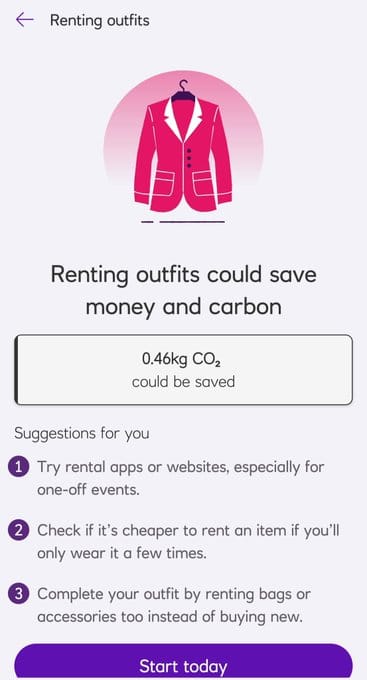
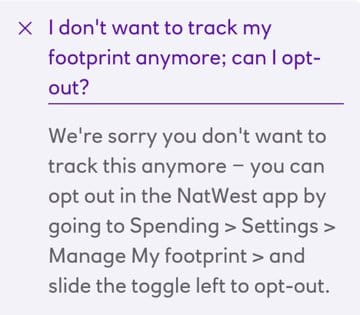
1. Overview: Carbon Tracking in Banking
1.1 Technology and Implementation
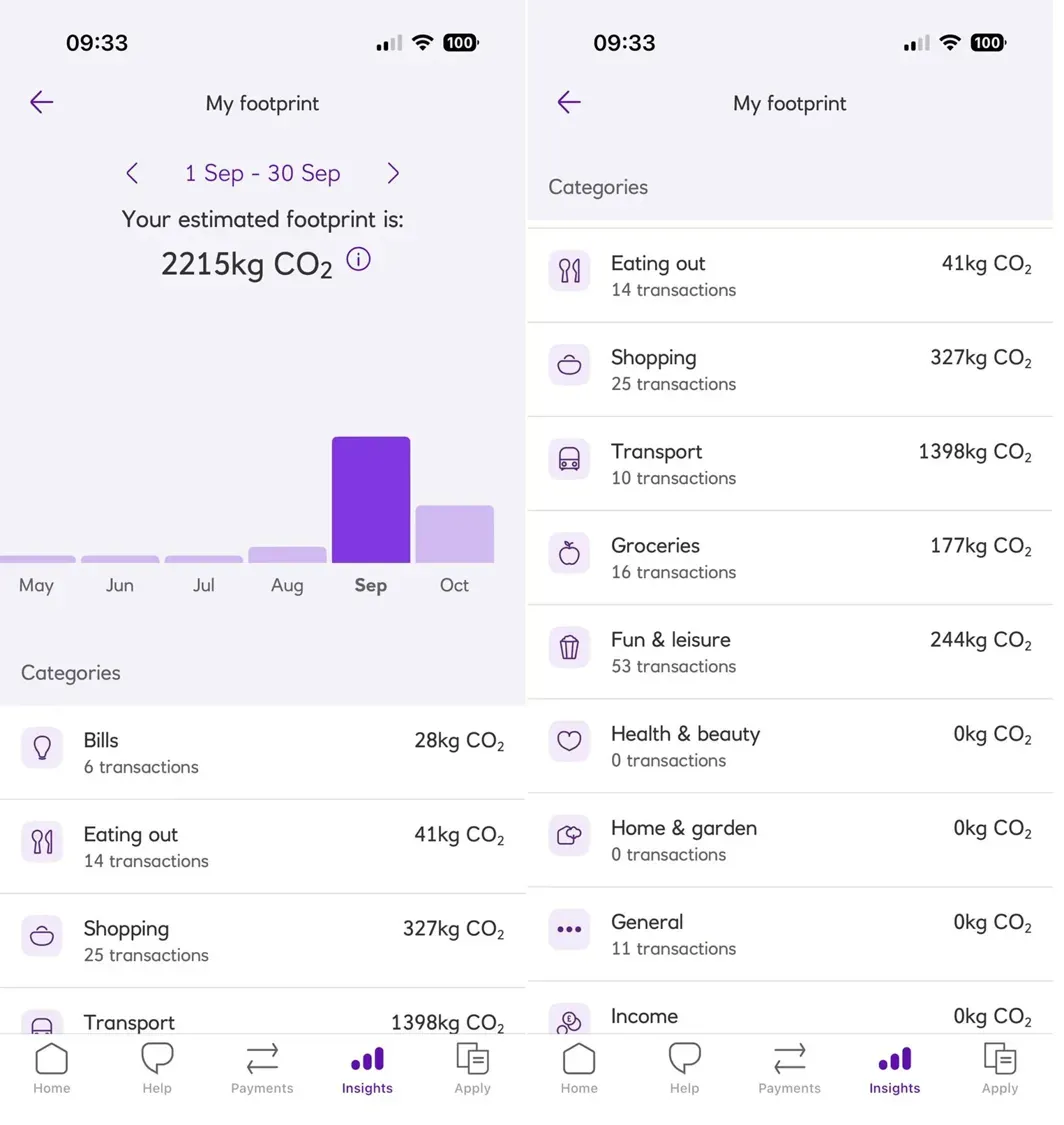
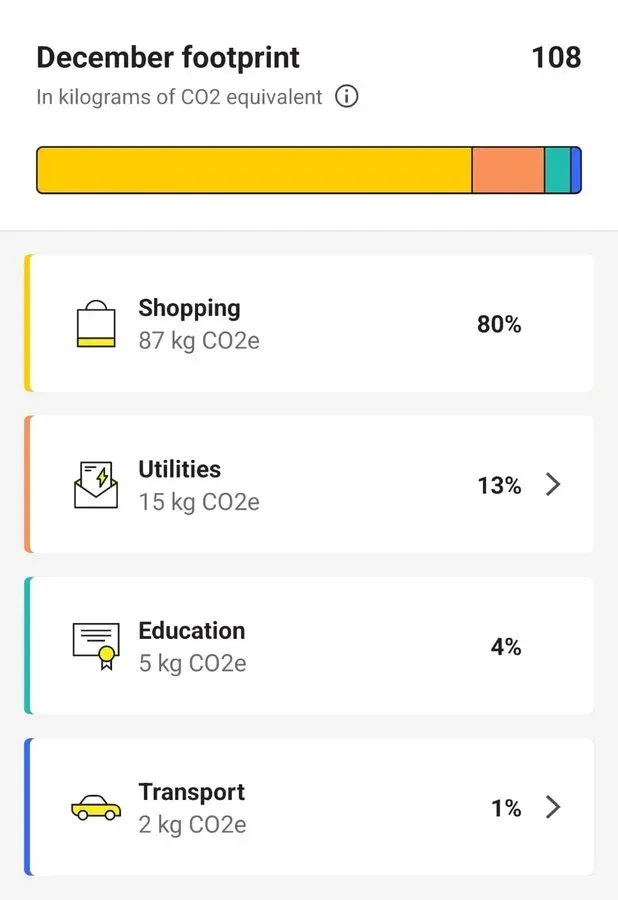
Carbon tracking systems in financial services analyze customer transaction data using emission factors provided by specialized fintechs (primarily Cogo) to estimate the carbon footprint associated with purchases. The technology works by:
Data Collection:
- Transaction merchant category codes (MCCs)- Transaction amounts- Merchant identification- Payment instrument (credit card, debit card, BPAY)- Geographic location of transactions
Processing Methodology:
- Categorization into industry sectors (transport, groceries, utilities, etc.)- Application of emission factors (CO2e per currency unit spent)- Aggregation into monthly carbon footprint estimates- Comparison against national averages
Vendor Landscape:
- Primary Provider: Cogo (New Zealand-based fintech)- Implementation Partners: Varies by institution- Data Storage: Mixed models (on-premise, cloud, hybrid)
1.2 Market Adoption Timeline
Date Institution Jurisdiction Milestone
July 2020 Westpac NZ New Zealand First implementation (pilot)
October 2021 Commonwealth Bank Australia Pilot launch (250,000 customers)
November 2021 NatWest UK Feature introduced
July 2022 Commonwealth Bank Australia Full rollout to retail customers
May 2023 Westpac Australia Full launch
2022-Present Multiple institutions Global Evaluation and pilot phases
1.3 Stated Business Objectives
Financial institutions cite the following justifications:
- Customer Demand: Survey data indicating consumer interest in sustainability2. ESG Leadership: Positioning as environmental stewards3. Competitive Differentiation: First-mover advantage in sustainability features4. Regulatory Anticipation: Preparation for potential climate disclosure requirements5. Brand Enhancement: Marketing value of sustainability initiatives
Critical Compliance Question: Do these stated objectives satisfy the “necessary and proportionate” test under data protection law?
Australian Banks and Carbon Tracking: What You Need to Know
2. Jurisdictional Analysis: UK
2.1 NatWest Implementation: Compliance Profile
Launch Date: November 2021 Current Status: Active (as of October 2025) User Base: Approximately 300,000 active users (~3.75% of 8 million app users) Opt-In Requirement: Yes (explicitly stated)
Regulatory Context:
- Data Protection Regime: UK GDPR + Data Protection Act 2018- Financial Regulation: FCA oversight- Consumer Protection: Consumer Rights Act 2015- Government Ownership: 38.6% taxpayer-owned (post-2008 bailout)
2.2 UK GDPR Compliance Analysis
Lawful Basis Assessment:
GDPR Article Potential Basis Compliance Risk Assessment
Art. 6(1)(a) Consent Moderate Requires explicit, informed, freely given consent. NatWest claims opt-in, but quality of consent mechanism unclear
Art. 6(1)(b) Contract Performance High Carbon tracking not necessary for core banking services
Art. 6(1)(c) Legal Obligation N/A No legal requirement for carbon tracking
Art. 6(1)(f) Legitimate Interest High DPIA required; difficult to demonstrate overriding legitimate interest vs. customer privacy
Critical Compliance Gaps:
- Purpose Limitation (Art. 5(1)(b)): Transaction data originally collected for payment processing is being repurposed for environmental impact calculation. This requires either:
- Clear disclosure at collection, OR- Compatibility assessment demonstrating new purpose is compatible with original2. Data Minimization (Art. 5(1)(c)): Questionable whether analyzing all transactions is necessary. Could carbon footprint be estimated from sampling?3. Transparency (Art. 13-14): Public-facing documentation lacks detail on:
- Exact data points used- Retention periods- Third-party access (Cogo)- Data transfer mechanisms
DPO Considerations:
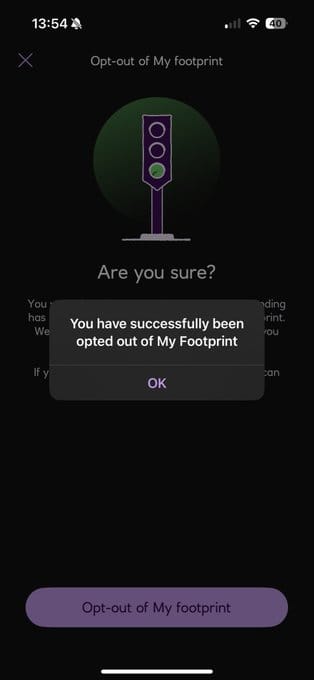
- Has a Data Protection Impact Assessment (DPIA) been conducted?- Have affected data subjects been informed of new processing purpose?- Is consent mechanism compliant with Art. 7 requirements?- Can consent be withdrawn easily and completely?
2.3 UK Digital Identity Context
The UK government announced in September 2025 mandatory digital identity (“Brit Card”) for all working-age adults by end of this Parliament. Key compliance implications:
Mandatory Requirements:
- Required for Right to Work checks- Stored on GOV.UK Wallet- Contains: name, DOB, nationality/residency status, photo- Central database verification
Integration Risk for Financial Services:
- Government has 38.6% stake in NatWest- Potential pressure for data sharing arrangements- No current legal framework preventing future integration- Precedent: Know Your Customer (KYC) data already shared with government
For detailed analysis: UK’s Mandatory “Brit Card” Digital ID: Privacy and Civil Liberty Concerns
2.4 UK Regulatory Enforcement Risk
ICO Enforcement Pattern (2023-2025):
- Increased focus on purpose limitation violations- Significant fines for lack of valid consent mechanisms- Growing scrutiny of “legitimate interest” claims for non-essential processing
Potential Triggers for ICO Investigation:
- Data subject complaints about lack of transparency2. Difficulty in withdrawing consent/opting out3. Discovery of undisclosed third-party data sharing4. Integration with government digital identity systems without clear legal basis
Risk Rating: Medium-High (if consent mechanisms are deficient or transparency inadequate)
3. Jurisdictional Analysis: Australia
3.1 Commonwealth Bank Implementation: Compliance Profile
Launch Date: October 2021 (pilot), August 2022 (full rollout) Current Status: Active (visibility potentially reduced in recent app updates) User Base: Unknown (reported ~300,000 in pilot; unclear if all customers now enrolled) Opt-In Requirement: UNCLEAR (critical compliance red flag)
Key Compliance Concern: Multiple sources from 2022 suggest customers were “automatically opting in” to the feature. If true, this represents significant privacy law violations.
Regulatory Context:
- Data Protection Regime: Privacy Act 1988 (Commonwealth) + Australian Privacy Principles (APPs)- Financial Regulation: APRA prudential standards, ASIC oversight- Consumer Protection: Australian Consumer Law- Recent Changes: Digital ID Act 2024 (commenced December 1, 2024)
3.2 Australian Privacy Principles (APPs) Compliance Analysis
Critical APP Assessment:
APP Requirement Compliance Risk Assessment
APP 1 Open and transparent management of PI High Lack of clear public documentation on opt-in/opt-out procedures
APP 3 Collection of solicited PI Critical If automatic enrollment occurred, collection may not meet “solicited” definition
APP 5 Notification of collection High Unclear if customers were adequately informed before collection began
APP 6 Use or disclosure Moderate-High Repurposing transaction data requires consent or exception
APP 7 Direct marketing Moderate Carbon insights could be viewed as marketing sustainable products
APP 8 Cross-border disclosure High Cogo is NZ-based; cross-border data transfer compliance unclear
APP 11 Security Moderate Depends on Cogo’s security practices and data handling
Automatic Enrollment Analysis:
If CBA automatically enrolled customers without explicit opt-in:
- APP 3 Violation: Collection of personal information without proper solicitation2. APP 5 Violation: Failure to notify at or before time of collection3. APP 6 Violation: Using personal information for purpose other than primary purpose without consent4. Consent Requirements: Australian law requires “express consent” for sensitive personal information uses
Critical Unknown: What does CBA’s Privacy Policy actually state about carbon tracking? This requires immediate review.
3.3 Westpac Implementation
Launch Date: May 2023 Status: Active Compliance Profile: Similar to CBA; same vendor (Cogo), similar functionality
Key Difference: Launched post-CBA controversy, potentially with better documented consent mechanisms (requires verification)
3.4 Australian Digital Identity Context
Australia has implemented the most aggressive digital identity and age verification regime in the Western world:
Digital ID Act 2024:
- Commenced December 1, 2024- Establishes national Digital ID system- Accredited providers for identity verification- Integration with government and business services
Age Verification Requirements:
- Under-16 social media ban (requires ID for all users to verify)- Search engine age verification (commenced December 27, 2025)- Biometric verification via AU10TIX (Israeli company)
Integration Risk for Financial Services:
- Banks are logical “accredited providers” under Digital ID Act- Infrastructure already exists for identity verification- Carbon tracking + Digital ID + transaction monitoring = comprehensive profile- No legal barriers preventing integration
For detailed analysis: Australia’s Digital Revolution: Age Verification and ID Checks Transform Internet Use
3.5 OAIC Enforcement Risk
Office of the Australian Information Commissioner (OAIC) Enforcement Trends:
- Increased penalties under Privacy Act amendments- Growing focus on consent quality and transparency- Heightened scrutiny of Big Four banks following Royal Commission
Potential Triggers for OAIC Investigation:
- Consumer complaints about lack of transparency2. Evidence of automatic enrollment without consent3. Inadequate notification of cross-border disclosure to Cogo4. Discovery of data sharing with Digital ID infrastructure
Additional Risk: Class action litigation (increasingly common in Australia for privacy breaches)
Risk Rating: High (particularly if automatic enrollment claims are substantiated)
4. Privacy Law Compliance Considerations
4.1 Consent Quality Assessment
For financial institutions implementing carbon tracking, consent must satisfy multiple legal standards:
GDPR/UK GDPR Requirements (Art. 4(11), 7):
- ✅ Freely Given: Not bundled with other services as condition- ✅ Specific: Separate from general banking terms- ✅ Informed: Clear explanation of processing activities- ✅ Unambiguous: Affirmative action required (not pre-ticked boxes)- ✅ Withdrawable: Easy opt-out mechanism
Australian Requirements (APPs):
- ✅ Express Consent: Clear, articulate, voluntary indication- ✅ Informed: Individual understands what they’re consenting to- ✅ Current: Given at or before collection- ✅ Specific: Relates to particular personal information and purpose
Red Flags Indicating Deficient Consent:
- ⚠️ Buried in general terms and conditions update- ⚠️ No standalone notification of new feature- ⚠️ Automatic enrollment (opt-out model)- ⚠️ Difficult or unclear opt-out process- ⚠️ No granular control (all-or-nothing consent)- ⚠️ Lack of information about Cogo’s role and data access
4.2 Purpose Limitation Compliance
Original Purpose of Transaction Data Collection:
- Process payments- Prevent fraud- Meet AML/KYC obligations- Generate account statements
New Purpose:
- Calculate environmental impact- Provide sustainability insights- Enable carbon offsetting
Compatibility Assessment Questions:
- Are the purposes related?2. Is the new processing reasonably expected by customers?3. What is the nature of the personal information?4. What are the consequences for individuals?5. What safeguards are in place?
Compliance Position:
- UK GDPR: Art. 6(4) compatibility assessment required OR new legal basis needed- Australian APPs: APP 6 permits use for secondary purpose if individual consents OR use is related to primary purpose and individual would reasonably expect such use
Likely Assessment: Environmental impact calculation is NOT compatible with payment processing purpose; requires new consent.
4.3 Data Minimization and Proportionality
Data Minimization Principle:
- Process only data “adequate, relevant, and limited to what is necessary”
Current Practice:
- Analyzing ALL transactions- Retaining monthly aggregated data- Unclear individual transaction-level retention
Compliance Questions:
- Is analyzing every transaction necessary? Could sampling suffice?2. What is the retention period for underlying transaction details?3. Is granular merchant identification necessary?4. Could emission estimates be provided without storing personal data?
Best Practice: Conduct necessity assessment demonstrating why comprehensive transaction analysis is required for stated purpose.
4.4 Transparency and Information Rights
Required Disclosures (GDPR Art. 13-14, APPs 1 & 5):
Information Element Status in Public Documentation
Identity of controller ✅ Clear (Bank identified)
Identity of DPO ⚠️ Variable by institution
Purposes of processing ✅ Generally disclosed
Legal basis ⚠️ Often unclear or absent
Legitimate interests ❌ If claimed, rarely articulated
Recipients of data ⚠️ Cogo mentioned, details limited
Data transfers ⚠️ Cross-border nature often unclear
Retention period ❌ Typically not specified
Individual rights ⚠️ Generic reference, not specific to carbon tracking
Right to withdraw consent ⚠️ Opt-out process clarity varies
Right to lodge complaint ✅ Generally included
Automated decision-making ✅ N/A (system provides information only)
Compliance Gap: Most institutions fail to provide carbon tracking-specific privacy notices with required detail level.
4.5 Vendor Management and Third-Party Risk
Cogo as Data Processor:
Key Compliance Requirements:
- Written Contract (GDPR Art. 28, APP 8):
- ✅ Must be in place BEFORE processing begins- ✅ Must specify subject matter, duration, nature and purpose- ✅ Must include mandatory clauses on security, sub-processing, deletion- ⚠️ Public disclosure: None (proprietary agreements)2. Due Diligence:
- ✅ Assessment of Cogo’s security measures- ✅ Verification of compliance with applicable laws- ✅ Regular audits of processing activities- ⚠️ Evidence: Unknown if conducted3. Data Transfer Mechanisms:
- UK → NZ: Requires transfer mechanism (NZ is adequate under UK GDPR as inherited from EU adequacy decision)- Australia → NZ: APP 8.1 cross-border disclosure requirements- ⚠️ Transfer Impact Assessments: Unknown if conducted
Sub-Processor Risk:
- Does Cogo engage sub-processors?- Are banks notified of sub-processor changes?- What is the sub-processor approval mechanism?
Security and Breach Notification:
- Is Cogo obligated to notify bank of breaches?- What are response time requirements?- Who bears liability for Cogo security failures?
5. Digital Identity Convergence Risks
5.1 Global Digital Identity Infrastructure
As documented in our Global Digital ID Systems Status Report 2025, over 100 countries have implemented or are developing national digital identity systems. For financial institutions, this creates a convergence risk where multiple surveillance capabilities could be integrated.
Current Landscape:
Country Digital ID Status Financial Services Integration Risk Timeline
UK Mandatory “Brit Card” announced High (NatWest 38.6% govt-owned) By end of Parliament
Australia Digital ID Act 2024 in force High (banks as accredited providers) Active now
EU Digital Identity Wallet framework Moderate-High Staged rollout 2025-2026
Mexico Mandatory biometric ID High Active July 2025
Russia State-linked Max app Very High Pilot phase
USA State-level initiatives Moderate (fragmented) Varies by state
For comprehensive global analysis: Policy Briefing: The Global Digital Identity Landscape
5.2 Integration Scenarios and Compliance Implications
Scenario 1: Voluntary Integration
- Bank offers Digital ID as “accredited provider”- Carbon tracking offered as value-add within Digital ID ecosystem- Risk: Bundling creates pressure for customers to accept both services
Scenario 2: Regulatory Mandate
- Government requires financial institutions to report customer carbon footprints- Links to Digital ID for attribution- Risk: Privacy protections override by regulation
Scenario 3: Gradual Function Creep
- Backend API integration without public announcement- Data sharing justified under existing terms- Risk: Unnoticed expansion of surveillance capability
Scenario 4: ESG Compliance Reporting
- Financed emissions reporting extended to individual customers- Digital ID enables attribution at scale- Risk: Individual environmental behavior monitoring becomes normalized
5.3 Technical Architecture for Integration
Current Infrastructure Already Enables:
- Identity Authentication: Banks already perform KYC verification2. Transaction Monitoring: Real-time payment data available3. Behavioral Analytics: Carbon tracking demonstrates analytical capability4. Data Storage: Infrastructure for storing and processing sensitive data5. API Connectivity: Integration with third-party providers (Cogo) demonstrates technical capability
What’s Required for Full Integration:
- Minimal: API endpoint connecting Digital ID system to carbon tracking database- Legal: Regulatory framework authorizing or requiring integration- Social: Normalization of comprehensive surveillance as “for your benefit”
Timeline Assessment: Technical integration could occur in weeks to months once legal framework established.
5.4 Function Creep Historical Precedents
Examples of Progressive Surveillance Expansion:
- Know Your Customer (KYC) → Transaction Monitoring → Behavioral Profiling
- Original: Verify customer identity at account opening- Expansion: Real-time transaction monitoring for AML- Current: Comprehensive behavioral analysis for credit decisions, fraud detection, marketing2. Age Verification → Identity Verification → Activity Tracking
- Original: Verify user is 18+ for age-restricted content- Expansion: Government ID upload requirement- Risk: Database linking identity to all online activity3. COVID Digital Certificates → Health Passports → Biometric ID
- Original: Temporary vaccination proof for international travel- Expansion: Domestic access to venues and services- Risk: Permanent health status tracking infrastructure
Pattern Recognition: Systems introduced with limited scope and noble purpose expand to comprehensive surveillance infrastructure.
5.5 Compliance Officer Action Items
Immediate:
- ✅ Document all current data flows related to carbon tracking2. ✅ Identify any connections (technical or contractual) to Digital ID initiatives3. ✅ Review vendor contracts for clauses enabling government data access4. ✅ Assess technical architecture for integration capability
Short-Term:
- ✅ Conduct Digital Identity Integration Risk Assessment2. ✅ Establish policy prohibiting undisclosed system integration3. ✅ Implement logging and monitoring for API connections4. ✅ Create escalation procedures for government data sharing requests
Strategic:
- ✅ Engage with industry associations on Digital ID integration standards2. ✅ Advocate for clear legal frameworks prohibiting unapproved integration3. ✅ Prepare customer communication plan for if integration is mandated4. ✅ Develop privacy-preserving alternatives (differential privacy, aggregation, etc.)
6. Cross-Border Data Transfer Implications
6.1 Cogo as New Zealand Data Processor
Jurisdictional Analysis:
New Zealand Privacy Framework:
- Privacy Act 2020 (comparable to GDPR)- NZ has EU adequacy decision (inherited by UK)- Strong privacy protections recognized internationally
Transfer Mechanisms:
Origin Destination Legal Basis Compliance Requirements
UK New Zealand Adequacy Decision UK GDPR Art. 45 - No additional safeguards required if adequacy valid
Australia New Zealand APP 8.1 Must take reasonable steps to ensure NZ recipient complies with APPs; or individual consents; or believes on reasonable grounds recipient is subject to substantially similar law
EU New Zealand Adequacy Decision GDPR Art. 45 - Adequate protection recognized
Critical Compliance Question: Have institutions conducted Transfer Impact Assessments (TIAs) assessing:
- NZ government surveillance laws- Adequacy of Cogo’s data protection measures- Sub-processor locations and protections- Breach notification procedures
6.2 Schrems II Implications
Following Schrems II (CJEU Case C-311/18), reliance on adequacy decisions requires:
- Assessment of third country law: Review NZ intelligence and surveillance laws2. Supplementary measures: If NZ law permits government access, additional protections needed3. Ongoing monitoring: Adequacy status and legislative changes
New Zealand Surveillance Context:
- Member of Five Eyes intelligence alliance- Government Communications Security Bureau (GCSB) has broad powers- Intelligence and Security Act 2017 permits surveillance
Risk Assessment: While NZ has strong privacy protections for general data processing, intelligence access creates potential Schrems II vulnerabilities.
6.3 Sub-Processor and Onward Transfer Risks
Unknown Factors Requiring Investigation:
- Does Cogo use cloud providers (AWS, Azure, Google Cloud)?2. What is the geographic distribution of data storage?3. Are there sub-processors in non-adequate jurisdictions?4. How are onward transfers authorized and controlled?
Compliance Best Practice:
- Require Cogo to disclose all sub-processors and their locations- Include contractual requirements for notification of new sub-processors- Conduct due diligence on each sub-processor’s data protection measures- Implement supplementary measures (encryption, pseudonymization) where needed
6.4 Chinese Technology Risk
AU10TIX Connection in Australia: Australian Digital ID age verification uses AU10TIX, an Israeli identity verification company. Due diligence questions:
- Does AU10TIX have operations or data storage in China?2. What is AU10TIX’s relationship with Chinese technology companies?3. Could Chinese intelligence access Australian ID data through AU10TIX?4. If Digital ID integrates with banking data, does AU10TIX gain access?
Broader Consideration: As documented in The Global Digital Crackdown, countries worldwide are implementing surveillance infrastructure. Cross-border data flows to jurisdictions with Digital ID systems create novel risks.
6.5 Data Localization Requirements
Emerging Regulatory Trend: Countries increasingly require sensitive data to remain within borders.
Implications for Carbon Tracking:
- If carbon footprint data is considered “financial data,” localization may be required- Some jurisdictions prohibit certain personal data from leaving the country- Cloud storage geography becomes compliance issue
Due Diligence Required:
- Where is data physically stored (Cogo’s infrastructure)?- What jurisdictions have access to the data?- Are there legal conflicts between jurisdictions?
7. ESG and Reputational Risk Management
7.1 The Greenwashing Problem
Financial institutions implementing carbon tracking face credibility gaps when their fossil fuel financing contradicts sustainability messaging.
Data: Australian Big Four Banks (2023)
Bank Fossil Fuel Lending Carbon Tracking Greenwashing Risk
NAB $1.4B (including $860M to expansion) No customer tracker Moderate
ANZ ~$1B (to new coal, oil, gas projects) No customer tracker Moderate
Westpac $784M (including $533M to expansion) Yes (since May 2023) High
CommBank $271M (lowest of Big Four) Yes (since 2021) High
UK Context: NatWest
- 38.6% taxpayer-owned- Substantial fossil fuel lending portfolio- Carbon tracker highlights individual emissions while bank finances fossil infrastructure- Greenwashing Risk: Very High
Source: Market Forces, “Banking on Climate Failure 2024”
7.2 Regulatory Scrutiny of Greenwashing
ASIC (Australia) Position:
- Increased enforcement on misleading sustainability claims- Greenwashing is a priority area for 2024-2025- Financial penalties for misleading conduct
FCA (UK) Position:
- ESG considerations must be fair, clear, and not misleading- Sustainability Disclosure Requirements (SDR) in force- Anti-greenwashing rule prohibits misleading sustainability claims
EU Taxonomy and Green Claims:
- Strict requirements for environmental claims- Corporate Sustainability Reporting Directive (CSRD)- EU Green Claims Directive prohibits unfounded environmental claims
SEC (USA) Position:
- Proposed climate disclosure rules- Focus on accuracy and substantiation of ESG claims- Enforcement actions for misleading sustainability representations
7.3 Compliance Officer Considerations
Risk Assessment Questions:
- Product Truth in Advertising:
- Is carbon tracking marketed as helping the environment?- Does marketing imply bank is environmentally responsible?- Are fossil fuel financing activities adequately disclosed?2. Stakeholder Expectations:
- Do retail customers understand the bank’s financing portfolio?- Are institutional investors aware of the contradiction?- Have ESG rating agencies identified the inconsistency?3. Regulatory Enforcement Risk:
- Has the regulator commented on greenwashing in banking?- Are competitors facing enforcement for similar conduct?- What precedents exist for misleading environmental claims?
Recommended Actions:
✅ Conduct Greenwashing Risk Assessment
- Compare sustainability marketing against actual financing portfolio- Identify specific claims that may be misleading- Assess materiality of fossil fuel financing omissions
✅ Enhanced Disclosure
- Transparent reporting of fossil fuel financing alongside carbon tracking- Clear explanation that carbon tracking is customer education, not bank environmental action- Disclosure of conflicts between sustainability features and financing practices
✅ Stakeholder Communication Plan
- Prepare responses to greenwashing allegations- Engage with ESG rating agencies proactively- Consider carbon tracking as one component of broader sustainability strategy
7.4 Board and Executive Liability
Emerging Risk: Directors and executives face personal liability for misleading sustainability claims.
Recent Precedents:
- ClientEarth shareholder derivative action against Shell directors (UK)- Australian superannuation greenwashing settlements- SEC enforcement targeting individual executives for ESG misstatements
D&O Insurance Considerations:
- Are greenwashing claims covered under current policies?- What exclusions apply to intentional misleading conduct?- Should coverage be enhanced given increased regulatory focus?
8. Regulatory Outlook and Emerging Trends
8.1 Climate Disclosure Regulations
Global Regulatory Convergence:
Multiple jurisdictions are implementing mandatory climate disclosure requirements that may extend to individual customer carbon footprints:
Jurisdiction Regulation Status Implications for Banks
EU Corporate Sustainability Reporting Directive (CSRD) In force (staged) Banks >250 employees must report Scope 1, 2, 3 emissions
UK Sustainability Disclosure Requirements (SDR) In force Enhanced climate disclosure for asset managers and listed companies
Australia Climate-related financial disclosure Consultation phase Mandatory climate reporting for large entities
USA SEC Climate Disclosure Rules Proposed (litigation ongoing) Public companies must disclose climate risks and certain emissions
ISSB IFRS Sustainability Disclosure Standards Issued June 2023 Global baseline for sustainability reporting
Trajectory: Individual customer carbon footprints may become required disclosure as part of Scope 3 (financed emissions) reporting.
Compliance Implication: Carbon tracking infrastructure positions banks to meet potential future disclosure requirements.
Critical Question: Will regulatory requirements create pressure to make carbon tracking mandatory rather than optional?
8.2 Privacy Law Evolution
Anticipated Developments:
1. AI and Automated Decision-Making Regulation
- EU AI Act in force (staged implementation)- UK working on AI regulation framework- Australia considering AI-specific legislation
Implications: Carbon tracking uses algorithmic processing of transaction data. May trigger:
- Transparency requirements for processing logic- Rights to explanation of emission factor calculations- Impact assessments for automated profiling
2. Data Portability and Interoperability
- Right to data portability (GDPR Art. 20) may extend to carbon footprint data- Open banking initiatives enable data sharing across institutions- Carbon tracking data could become portable as “value-added banking service”
Risk: Portability requirements may facilitate unintended integration with Digital ID or other surveillance systems.
3. Children’s Privacy Protection
- Increased focus on protecting minors online- Age verification mandates spreading globally- Financial services may face enhanced requirements for accounts held by minors
For comprehensive age verification analysis: YouTube’s AI Age Verification: The New Digital ID Era
8.3 Digital Identity Regulatory Frameworks
Jurisdictional Status:
United Kingdom:
- Mandatory Digital ID announced September 2025- Consultation ongoing- Implementation target: End of current Parliament- Financial services expected to play key role as “identity providers”
Australia:
- Digital ID Act 2024 commenced December 1, 2024- Accredited provider framework established- Banks logical participants as identity verifiers- Integration with age verification infrastructure
European Union:
- European Digital Identity Wallet regulation in force- Member states developing national implementations- Cross-border interoperability requirements- Banks exploring participation as trust service providers
For detailed regulatory analysis: The GOV.UK ID Check App Controversy
Compliance Planning Horizon: Financial institutions should anticipate Digital ID integration requests within 12-24 months.
8.4 Debanking and Financial Exclusion
Parallel trend: Financial institutions facing regulatory and reputational pressure regarding “debanking” and discriminatory account closures.
Recent Developments:
- Trump Executive Order on debanking (January 2025)- UK regulatory scrutiny of politically-motivated debanking- Growing concern about ESG-based financial exclusion
Relevance to Carbon Tracking: If carbon footprint data is used (now or future) to:
- Determine credit worthiness- Set interest rates or fees- Decide account eligibility- Influence product offerings
This creates significant regulatory risk under fair lending laws and anti-discrimination requirements.
For context: The Financial Chokehold: How Trump’s Debanking Order Exposes the Hidden Censorship Machine
9. Compliance Framework and Best Practices
9.1 Privacy Impact Assessment (PIA/DPIA) Requirements
When Required:
- GDPR Art. 35: DPIA mandatory for processing “likely to result in high risk”- Australian APPs: PIA recommended for privacy-intrusive projects- Best Practice: Conduct for any new personal data processing initiative
Carbon Tracking High-Risk Factors:
- ✅ Systematic monitoring of personal behavior (transaction patterns)2. ✅ Processing of data concerning financial status3. ✅ Large scale processing affecting many data subjects4. ✅ New technology (carbon emission algorithms)5. ✅ Potential for function creep (integration with other systems)
DPIA Components:
1. Description of Processing Operations
- What personal data is processed?- How is emission factor calculation performed?- Who has access (internal teams, Cogo, others)?- How long is data retained?- What security measures protect the data?
2. Necessity and Proportionality Assessment
- Why is this processing necessary?- Could less intrusive methods achieve the same purpose?- Is analyzing all transactions proportionate?- What would happen if we didn’t process this data?
3. Risk Assessment
- What are the risks to individuals’ rights and freedoms?- Could carbon footprint data be used discriminatorily?- What breach scenarios exist?- How likely and severe are identified risks?
4. Mitigation Measures
- Technical measures: Encryption, pseudonymization, access controls- Organizational measures: Training, policies, incident response- Contractual protections: Vendor agreements, data processing addendums- Individual rights: Easy opt-out, data deletion, transparency
5. DPO and Stakeholder Consultation
- Has DPO reviewed and approved?- Have affected data subjects been consulted?- What feedback was received and how addressed?
6. Sign-off and Review
- Board/executive approval- Regular review schedule (annually at minimum)- Update upon significant changes
Template Recommendation: Use ICO or OAIC DPIA templates adapted for carbon tracking specific context.
9.2 Consent Management Framework
Consent Lifecycle Management:
Phase 1: Information Provision (Pre-Consent)
- Clear, prominent notice separate from general T&Cs- Plain language explanation (no legalese)- Specific details: who, what, why, where, when, how long- Information about Cogo’s role and data access- Explanation of cross-border transfer to New Zealand
Phase 2: Consent Collection
- Standalone consent action (not bundled with account opening)- Affirmative opt-in (no pre-checked boxes)- Granular options (e.g., separate consent for carbon calculation vs. offsetting vs. marketing)- Freely given (no negative consequences for declining)- Records maintained showing:What was consented to- When consent was obtained- How consent was obtained- Text presented to individual
Phase 3: Consent Management (Ongoing)
- Easy-to-find mechanism to view current consent status- Simple process to withdraw consent- Prompt implementation of withdrawal (within days, not weeks)- Regular re-consent for significant changes- Audit trail of all consent modifications
Phase 4: Consent Withdrawal (Data Deletion)
- Upon withdrawal, processing must cease- Personal data must be deleted (subject to legal retention requirements)- Third parties (Cogo) must be notified to delete- Confirmation provided to individual- Grace period for complex deletions documented
Technical Implementation:
- Consent management platform integration- Real-time consent status checks before processing- Automated workflows for consent withdrawal- Regular reconciliation of consent records with processing activities
9.3 Transparency and Communication Best Practices
Layered Privacy Notice Approach:
Layer 1: Short-Form Notice (Just-in-Time)
- Appears when customer first encounters carbon tracking feature- 2-3 sentences explaining core functionality- Link to detailed information- Clear opt-in button- Equally prominent “No thanks” or “Remind me later” option
Layer 2: Carbon Tracking-Specific Privacy Notice
- Dedicated webpage addressing carbon tracking- All required disclosure elements (see Section 4.4)- FAQ section addressing common concerns- Explanation of how to opt-out- Contact information for privacy questions
Layer 3: Comprehensive Privacy Policy
- Integration of carbon tracking into main privacy policy- Cross-references to carbon-specific notice- Alignment with other data processing activities
Accessibility Requirements:
- Available in multiple languages (for diverse customer base)- Screen-reader compatible- Plain language (aim for 8th grade reading level)- Visual aids where helpful (infographics, flowcharts)
Communication Cadence:
- Initial notification: At feature launch or account opening- Reminder: Periodic (annually) if customer hasn’t opted in- Updates: Whenever processing changes materially- Ongoing: Carbon tracking information visible in app/online banking
9.4 Vendor Management and Third-Party Risk
Cogo Due Diligence Framework:
1. Pre-Engagement Assessment
- ✅ Information security audit (SOC 2 or equivalent)- ✅ Privacy certification (ISO 27701, Privacy Shield replacement, etc.)- ✅ Financial stability review- ✅ Incident response capabilities assessment- ✅ Reference checks from other financial institution clients- ✅ Review of sub-processor list and locations
2. Contractual Requirements
Mandatory Clauses:
- Data Processor obligations (GDPR Art. 28 compliance)- Security measures (encryption standards, access controls)- Breach notification (24-hour timeframe)- Sub-processor approval process (prior written consent)- Audit rights (annual on-site audits permitted)- Data deletion obligations (upon contract termination)- Indemnification (for Cogo privacy violations)- Liability limitations (appropriate allocation of risk)- Termination rights (for cause, including privacy violations)- Jurisdiction and governing law (bank’s home jurisdiction preferred)
Prohibited Activities:
- Cogo’s use of data for own purposes (must be strictly processor)- Marketing or selling data to third parties- Combination with other data sources- Retention beyond necessary period- Processing in non-adequate jurisdictions without supplementary measures
3. Ongoing Monitoring
- Quarterly security updates from Cogo- Annual on-site or remote audit- Regular review of sub-processor changes- Monitoring of Cogo’s incident reports- Performance metrics (uptime, accuracy of emission factors)- Customer complaint analysis related to Cogo functionality
4. Incident Response Coordination
- Joint incident response plan- Clear escalation procedures- Regular testing of incident procedures (tabletop exercises)- Communication protocols (internal and external)- Post-incident review process
5. Exit Strategy
- Data return or deletion procedures- Transition assistance for replacement vendor- Certification of data destruction- Residual risk assessment
9.5 Data Retention and Deletion Policies
Retention Framework:
Carbon Footprint Data Lifecycle:
Data Type Retention Period Justification Deletion Trigger
Individual transactions (for calculation) 30 days Needed only for monthly calculation After monthly aggregate calculated
Monthly aggregate footprint Duration of consent + 12 months Provide trend analysis Consent withdrawal or account closure + 12 months
Consent records 7 years Demonstrate compliance with legal obligation Regulatory retention requirements met
Customer support interactions 3 years Customer service quality, complaints handling Regulatory retention requirements met
Critical Requirement: Deletion must extend to Cogo and any sub-processors.
Implementation:
- Automated deletion workflows- Regular audits confirming deletion occurred- Certification from Cogo of deletion- Exceptions handling (e.g., data subject to legal hold)
10. Strategic Recommendations
10.1 For Financial Institutions Currently Operating Carbon Tracking
Immediate Actions (0-30 days):
- Compliance Audit
- ✅ Review current consent mechanisms for legal adequacy- ✅ Verify opt-out procedures are clear and functional- ✅ Assess transparency of privacy notices- ✅ Confirm Cogo contract meets data processor requirements- ✅ Verify DPIA was conducted and is current2. Gap Remediation
- ✅ Address any deficient consent mechanisms immediately- ✅ Update privacy notices to meet transparency standards- ✅ Implement easy opt-out if not already available- ✅ Document data flows comprehensively3. Greenwashing Risk Assessment
- ✅ Analyze sustainability marketing against fossil fuel financing- ✅ Identify potentially misleading claims- ✅ Prepare enhanced disclosure documentation- ✅ Brief board and executives on reputational risk
Short-Term Actions (30-90 days):
- Enhanced Transparency
- Launch dedicated carbon tracking privacy webpage- Implement layered privacy notice approach- Conduct customer communication campaign explaining feature and controls- Establish dedicated privacy inbox for carbon tracking questions2. Digital Identity Integration Assessment
- Document technical architecture showing integration points- Establish policy prohibiting unapproved Digital ID integration- Engage legal counsel on potential government data sharing pressures- Prepare customer communication for if integration is mandated3. Vendor Management Enhancement
- Conduct on-site Cogo audit (security, privacy, processing activities)- Update Cogo contract if deficiencies identified- Obtain comprehensive sub-processor list- Implement quarterly vendor review process
Medium-Term Actions (90-180 days):
- Governance Framework
- Establish Carbon Tracking Oversight Committee (cross-functional)- Implement regular compliance reporting to Board- Develop KPIs for privacy compliance monitoring- Create escalation procedures for privacy incidents2. Strategic Planning
- Assess business value vs. compliance cost- Consider whether to continue, expand, or sunset program- Explore privacy-enhancing technologies (differential privacy, federated learning)- Evaluate alternative approaches (aggregated data only, voluntary upload)3. Industry Engagement
- Participate in industry associations addressing carbon tracking standards- Advocate for regulatory clarity on Digital ID integration- Share best practices with peers (while respecting competitive concerns)- Engage with privacy regulators proactively
10.2 For Financial Institutions Considering Carbon Tracking
Decision Framework:
1. Business Case Assessment
- ❓ What is the expected customer adoption rate?- ❓ How does this differentiate from competitors?- ❓ What is the ROI considering implementation and compliance costs?- ❓ Does this align with broader sustainability strategy?- ❓ What is the reputational risk given current financing portfolio?
2. Privacy Risk Assessment
- ❓ Can we implement with clear, valid consent?- ❓ Can we ensure robust transparency?- ❓ Can we meet data minimization requirements?- ❓ What is our risk tolerance for regulatory enforcement?- ❓ How will this interact with Digital ID mandates?
3. Alternative Approaches Consider less privacy-intrusive alternatives:
- Aggregated Industry Data: Provide average carbon footprints by spending category without personalization- Voluntary Upload: Allow customers to upload transaction data from any institution for analysis- Carbon Calculator Tool: Offer estimation tool without automatic analysis- Education Only: Provide carbon literacy resources without tracking
Recommendation: Given significant compliance risks and uncertain business value, institutions should:
- Pause new carbon tracking implementations pending regulatory clarity2. Focus on reducing financed emissions (bank’s own Scope 3) rather than tracking customer emissions3. Advocate for clear regulatory framework before proceeding4. Explore privacy-preserving alternatives if proceeding
10.3 For Compliance Officers and DPOs
Personal Action Items:
1. Knowledge Building
- Review all resources linked in this article on Digital ID developments- Monitor privacy regulator guidance on carbon tracking and sustainability claims- Subscribe to updates on Digital Identity regulatory frameworks- Attend industry forums on intersection of privacy, sustainability, and Digital ID
2. Internal Positioning
- Educate executive team on privacy risks- Establish yourself as subject matter expert on carbon tracking compliance- Build relationships with sustainability/ESG teams- Ensure compliance has seat at table for carbon tracking decisions
3. Documentation
- Maintain comprehensive file documenting all compliance measures- Create audit trail of advice given to business- Document any concerns raised and business decisions- Prepare for potential regulator inquiry
4. Network Building
- Connect with peers at other institutions- Participate in privacy professional associations- Engage with privacy regulators (OAIC, ICO) on interpretive questions- Build relationships with privacy advocacy groups
5. Career Protection
- Ensure compliance concerns are documented to senior leadership and Board- Consider whether Personal & Professional Liability insurance is adequate- If significant unmitigated risks exist, consider whether written resignation threat is appropriate (extreme cases only)
10.4 For Regulators and Policymakers
Recommendations for Clear Regulatory Framework:
1. Carbon Tracking Specific Guidance
- Issue interpretive guidance on consent requirements for carbon tracking- Clarify whether “legitimate interest” is acceptable legal basis- Specify required elements of carbon tracking privacy notice- Provide model consent language
2. Digital Identity Integration Rules
- Prohibit automatic integration of carbon tracking with Digital ID systems- Require explicit consent for any data sharing between systems- Mandate impact assessments before integration- Establish independent oversight mechanism
3. Greenwashing Standards
- Issue joint guidance with environmental regulators on sustainability claims- Clarify when carbon tracking marketing becomes misleading- Require disclosure of fossil fuel financing alongside sustainability features- Establish enforcement priorities and penalty framework
4. Cross-Border Data Flow Clarification
- Update adequacy assessments considering surveillance law developments- Provide guidance on supplementary measures for financial data- Clarify when Transfer Impact Assessments required- Address specific concerns with NZ and other jurisdictions
5. Industry Consultation
- Engage financial institutions in rulemaking process- Balance privacy protection with sustainability objectives- Consider phased implementation with safe harbors- Provide transition period for compliance with new requirements
Conclusion: Navigating the Convergence
Carbon tracking in financial services sits at the intersection of multiple regulatory trends: privacy protection, climate disclosure, digital identity, and ESG accountability. For compliance officers, this convergence creates a complex risk landscape requiring sophisticated navigation.
Key Takeaways:
- Privacy Compliance is Not Clear-Cut: Carbon tracking occupies regulatory grey areas, particularly regarding consent quality, purpose limitation, and data minimization.2. Digital Identity Integration is the Critical Risk: The infrastructure being built for carbon tracking creates technical capability for comprehensive surveillance when integrated with Digital ID systems.3. Greenwashing Creates Reputational Vulnerability: Financial institutions tracking customer emissions while financing fossil fuels face significant credibility gaps.4. Regulatory Evolution is Inevitable: Climate disclosure requirements and Digital ID mandates will likely force integration pressures within 12-24 months.5. Proactive Compliance is Essential: Waiting for regulatory enforcement is too late; establish robust frameworks now.
The Bottom Line:
Financial institutions operating carbon tracking systems must treat them with the same compliance rigor as core banking services. This means comprehensive Privacy Impact Assessments, crystal-clear consent mechanisms, robust vendor management, and constant vigilance against function creep.
For institutions considering implementation, the strategic question is whether privacy risks and compliance costs justify uncertain business benefits, particularly given the reputational hazard of appearing to prioritize customer surveillance over reducing the institution’s own environmental impact.
The convergence of carbon tracking, Digital ID, and financial data creates unprecedented surveillance capability. Whether this capability is used responsibly depends on strong privacy protections, independent oversight, and corporate commitment to transparency and consent.
The question for compliance officers: Are we building tools to help customers understand their environmental impact, or are we constructing infrastructure for comprehensive surveillance that will be repurposed once normalized?
The answer matters—and it will be decided in the next 12-24 months.
Additional Resources
Related ComplianceHub.wiki Analysis:
- The GOV.UK ID Check App Controversy: Separating Fact from Fiction- Policy Briefing: The Global Digital Identity Landscape- YouTube’s AI Age Verification: The New Digital ID Era- The Global Digital Crackdown: How Governments Are Dismantling Online Freedom
MyPrivacy.blog Digital ID Coverage:
- Global Digital ID Systems Status Report 2025- UK’s Mandatory “Brit Card” Digital ID: A Deep Dive- Australia’s Digital Revolution: Age Verification and ID Checks- The End of Digital Privacy: How Global Digital ID, CBDCs, and State Surveillance Are Reshaping Human Freedom
Consumer-Focused Articles:
- UK: NatWest Carbon Tracker and Digital ID: Separating Fact from Fiction- Australia: Banks and Carbon Tracking: What You Need to Know
Regulatory Resources:
- UK Information Commissioner’s Office (ICO): ico.org.uk- Office of the Australian Information Commissioner (OAIC): oaic.gov.au- European Data Protection Board (EDPB): edpb.europa.eu- Financial Conduct Authority (FCA): fca.org.uk- Australian Securities & Investments Commission (ASIC): asic.gov.au
This article reflects the regulatory and factual landscape as of October 2025. Given the rapid evolution of both Digital ID frameworks and privacy regulations, compliance officers should monitor developments continuously.
Document Classification: Public Version: 1.0 Last Updated: October 2025 Author: ComplianceHub.wiki Editorial Team Review: Recommended quarterly review given regulatory fluidity