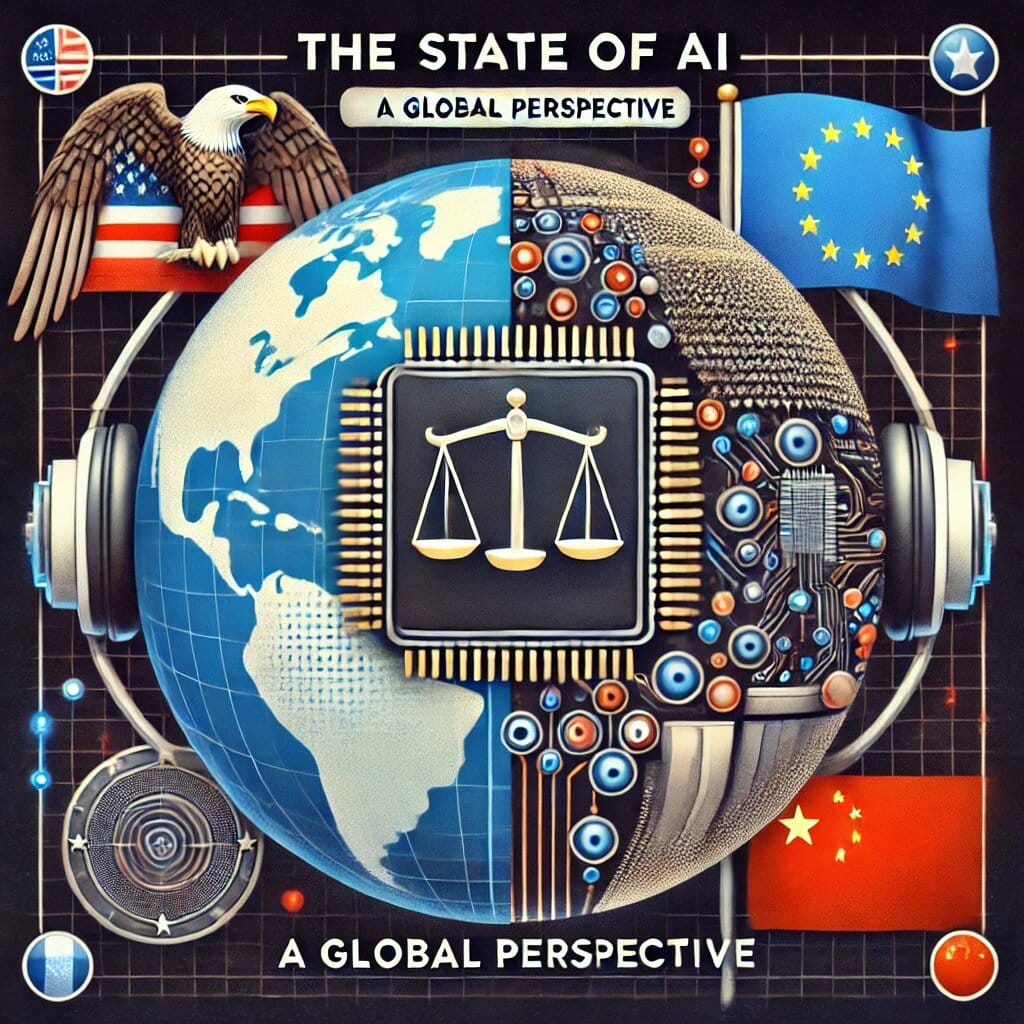
As artificial intelligence (AI) rapidly advances and permeates every facet of our lives, the imperative for robust governance frameworks becomes increasingly apparent. Effective AI governance is essential for ensuring the responsible development and deployment of AI technologies, mitigating potential harms, and harnessing its transformative potential for societal good. This article provides a comprehensive analysis of the diverse approaches to AI governance adopted by three leading global powers: the United States (US), the European Union (EU), and China. By examining their distinct regulatory structures, priorities, and strategies, we aim to provide insights into the evolving global landscape of AI governance.
Download: ai_advisory_body_interim_report ai_advisory_body_interim_report.pdf492 KB.a{fill:none;stroke:currentColor;stroke-linecap:round;stroke-linejoin:round;stroke-width:1.5px;}download-circle
From Principles to Practice: Concrete Examples of AI Governance in Action
The sources provide specific examples of how AI governance principles are being translated into practice across different regions, illustrating the diverse strategies and tools being employed:
- EU AI Act’s Risk-Based Framework: The EU AI Act’s risk-based approach, classifying AI systems into four categories based on their potential impact, exemplifies a proactive and comprehensive approach to AI regulation. This framework emphasizes a tiered approach, tailoring regulatory requirements to the specific risks posed by different types of AI systems. High-risk AI systems, such as those used in critical infrastructure, law enforcement, or essential service provision, are subject to stringent requirements, including mandatory risk assessments, human oversight, and conformity assessments. This meticulous approach aims to ensure high-risk AI systems are developed and deployed responsibly, mitigating potential harms to individuals and society.- China’s Focus on Algorithmic Content Control: China’s regulatory framework reflects their emphasis on controlling the use of algorithms that generate content or recommendations, particularly those with potential implications for public opinion or social mobilization. Their regulations, such as the Deep Synthesis Provisions and Interim Generative AI Measures, target specific AI applications like deepfakes and LLMs, aiming to prevent the spread of information deemed harmful or subversive by the government. This approach prioritizes maintaining social stability and ideological control, aligning with their unique political context.- US Export Controls and National Security: The US approach, initially prioritizing national security and maintaining technological dominance, has focused on restricting China’s access to advanced AI technologies through export controls on high-end AI chips. This strategic measure aims to limit China’s ability to develop cutting-edge AI systems that could potentially challenge US technological leadership. However, recognizing the need for a more comprehensive approach, the US is now exploring broader AI policies, engaging various executive agencies to develop frameworks for balancing innovation with safety and security considerations.
Conclusion: Navigating the Evolving Landscape of Global AI Governance
The rapidly evolving nature of AI presents ongoing challenges for governance frameworks worldwide. As AI technologies continue to advance and permeate new domains, regulatory structures must adapt to address emerging risks and opportunities. The diverse approaches adopted by the US, EU, and China highlight the complexities of aligning global agendas, with different values, priorities, and strategic interests shaping national AI strategies. However, despite these differences, the shared recognition of AI’s transformative potential and the imperative for responsible development underscores the need for ongoing dialogue, collaboration, and knowledge sharing to navigate the evolving landscape of global AI governance.
Key Takeaways for Compliance Professionals:
- Stay Informed about Evolving Regulations: Given the rapid pace of AI development and the dynamic nature of regulatory frameworks, compliance professionals must stay abreast of the latest developments in AI governance across different regions. Continuous monitoring of regulatory changes, industry best practices, and emerging risks is essential for ensuring compliance and mitigating potential legal and reputational risks.- Adopt a Risk-Based Approach: Assessing the specific risks associated with different AI applications and adopting a risk-based approach to compliance is crucial. Understanding the potential impact of AI systems on fundamental rights, societal well-being, and organizational objectives will enable informed decision-making about appropriate governance measures.- Prioritize Transparency and Explainability: Implementing mechanisms for transparency and explainability in AI systems is crucial for building trust and ensuring responsible use. Documenting AI development processes, providing clear explanations of how AI systems work, and enabling mechanisms for auditing and accountability will foster confidence among stakeholders and mitigate potential concerns about bias, discrimination, or unintended consequences.- Foster a Culture of Responsible AI: Promoting a culture of responsible AI within organizations involves integrating ethical considerations into AI development processes, providing training on AI ethics and governance, and establishing clear guidelines for the responsible use of AI technologies. This proactive approach will help ensure AI is developed and deployed in a manner that aligns with organizational values and contributes to societal well-being.
By proactively engaging with the evolving landscape of global AI governance, compliance professionals can play a vital role in shaping the responsible development and deployment of AI technologies, ensuring its transformative potential is harnessed for the benefit of humanity.
Here’s a comprehensive look at the key differences between the US, EU, and Chinese strategies for AI governance:
Divergent Approaches to AI Governance
The sources highlight the diverse approaches to AI governance adopted by the US, EU, and China. These differences are rooted in each region’s unique political, economic, and social context and are reflected in the types of AI systems they prioritize regulating.
- EU: The EU’s strategy centers on safeguarding individual rights and promoting the ethical development of AI. The EU AI Act, a comprehensive piece of legislation, classifies AI systems based on risk levels and imposes strict requirements for high-risk systems. This focus on individual rights is evident in their cautious approach to technologies like facial recognition.- China: China’s approach emphasizes internal social control and alignment with party values. They have adopted an iterative, domain-specific approach, enacting regulations for specific applications like recommendation algorithms and deepfakes. China’s model registry focuses on controlling content generation and recommendations, particularly those that could influence public opinion or social mobilization.- US: The US strategy prioritizes maintaining its technological edge in the global AI race, particularly against China. While initially focusing on restricting China’s access to advanced AI technologies, the US is starting to develop a more comprehensive AI policy, involving various executive agencies. Their approach is characterized by a desire to balance innovation with safety and security.
Focus on High-Risk AI Systems and Model Registries
A common thread across these diverse approaches is the concern about high-risk AI and the potential for harmful technologies to be deployed without proper oversight. This has led to the emergence of model registries as a potential tool for managing risks.
- Model Registries: The sources indicate that the US, EU, and China have all started incorporating model registries into their regulatory frameworks. However, the specific types of AI systems targeted for registration differ significantly, reflecting each region’s priorities.The US focuses on registering models that exceed a specific compute power threshold.- The EU mandates registration for high-risk systems that could potentially impact fundamental rights, equity, justice, or access to essential resources.- China’s model registry focuses on tracking algorithmic use cases that involve recommending and generating content for Chinese users, especially those with potential implications for public opinion or social mobilization.
Broader Societal Implications of AI Governance
The sources emphasize that AI governance is not just about regulating technology; it’s about shaping the future of society. The decisions made today will have far-reaching consequences, affecting economies, social structures, and individual lives.
- Impact on Jobs: One area where AI’s impact is acutely felt is the job market. The sources discuss the potential for AI-driven automation to lead to significant job displacement, raising concerns about unemployment and economic inequality. This highlights the need for proactive policies and strategies to address the potential societal disruptions caused by AI.- AI for Good: Despite the potential risks, the sources also acknowledge the potential for AI to be a force for good. The UN, for example, argues that AI could be instrumental in achieving the Sustainable Development Goals, from ending poverty to combating climate change. This perspective emphasizes the need for governance frameworks that not only mitigate risks but also harness the power of AI for positive social impact.- Citizen Participation: The sources stress the importance of public engagement in shaping the future of AI. Citizen participation is crucial to ensure that AI development and deployment align with societal values and address concerns about potential harms. Initiatives that promote transparency, public consultations, and accessible information about AI are essential for fostering informed and inclusive decision-making.
Global Collaboration in the Age of AI
Given AI’s global nature, the sources point to the need for international cooperation and collaboration to address the challenges and opportunities presented by this transformative technology.
- Aligning Global Agendas: The diverse approaches to AI governance, as highlighted by the contrasting perspectives of the US, EU, and China, illustrate the complexity of aligning global agendas. Different values, priorities, and strategic interests pose challenges to establishing a unified framework for AI regulation.- UN’s Role in AI Governance: The UN’s High-Level Advisory Body on AI is one example of an international effort to develop recommendations for AI governance that transcend national boundaries. Their focus on inclusive participation, human rights, and a global perspective highlights the need for a coordinated response to AI’s potential impact on humanity.
Specific Examples from the Sources
To further illustrate the different AI governance approaches, here are some concrete examples from the sources:
- EU AI Act’s Risk-Based Approach: The EU AI Act classifies AI systems into four risk categories and imposes strict requirements for high-risk systems, such as those used in critical infrastructure or law enforcement. This approach aims to ensure that AI systems used in sensitive domains are subject to appropriate levels of scrutiny and oversight.- China’s Control of Algorithmic Content: China’s regulations focus on controlling the use of algorithms that generate content or recommendations, particularly those with potential implications for public opinion or social mobilization. This approach aims to maintain social stability and prevent the spread of information deemed harmful or subversive by the government.- US Export Restrictions on AI Chips: The US has implemented export restrictions on high-end AI chips to China, aiming to limit China’s access to technologies crucial for developing advanced AI systems. This strategy reflects the US’s prioritization of maintaining its technological edge in the global AI race.
These examples highlight the wide range of tools and strategies being employed to govern AI, reflecting the unique priorities and challenges faced by different regions.