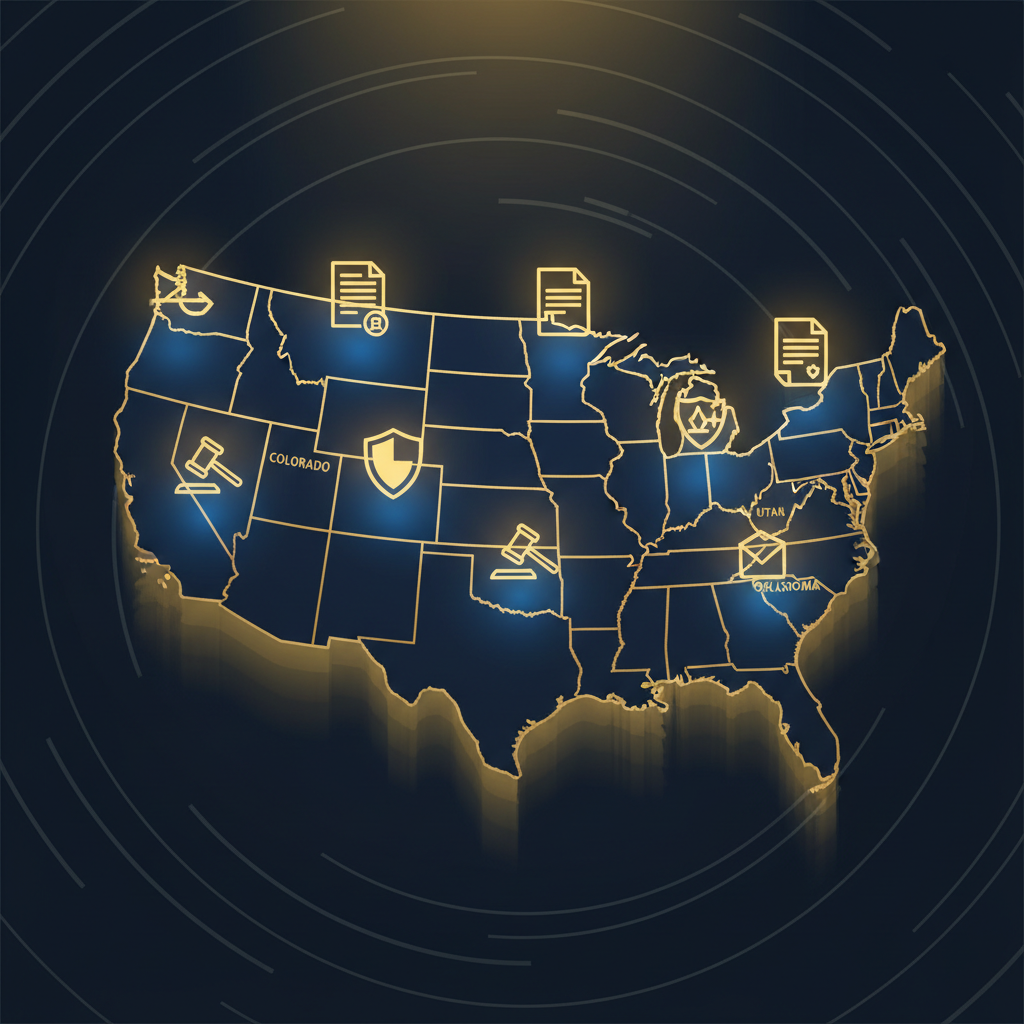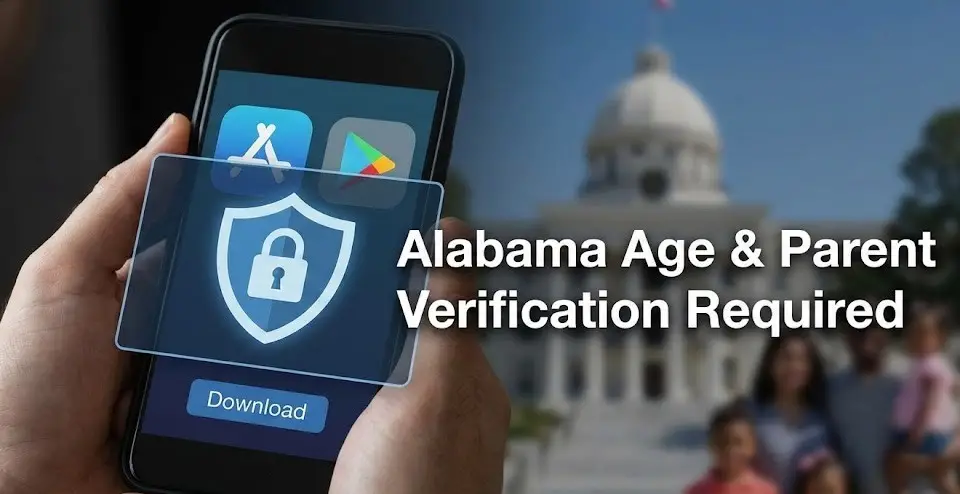
On February 17, 2026, Alabama officially joined a growing coalition of states taking digital child safety into their own hands, signing into law the App Store Accountability Act (HB 161). Alabama now stands alongside Louisiana, Texas, and Utah in establishing strict new guardrails for both app store providers and developers.
With lawmakers in at least 10 other states tracking similar bills, Alabama might just be the first domino to fall in a massive 2026 legislative trend. But this momentum isn’t without its friction: state legislatures are aggressively pushing these laws forward despite intense legal pushback from the tech industry.
Here is a breakdown of the new digital landscape, the legal battles brewing, and what businesses need to do to stay compliant.
Pushing Through Pushback: The Legal Headwinds
Interestingly, lawmakers are continuing to pursue these bills even as the ink dries on federal injunctions against them. The tech industry argues that age-gating the internet violates First Amendment rights and places an unreasonable technical burden on small developers.
- The Texas Injunction: In December 2025, a federal judge blocked Texas’s App Store Accountability Act from taking effect. The court ruled that the law likely violated the First Amendment by acting as a content-based restriction on speech and failing to provide the least restrictive means of protecting minors online.- The Utah Lawsuit: Just weeks later, in early February 2026, the Computer & Communications Industry Association (CCIA)—a major tech trade group—sued to block Utah’s law in federal court, arguing that it forces app stores to act as state censors.
Texas App Store Age Verification Law Faces Legal Challenges: What Compliance Teams Need to Know
Despite these constitutional challenges, states like Alabama are undeterred, viewing these regulations as necessary consumer protection measures and a way to restore parental authority over digital consumption.
Children’s Privacy Laws Tracker - 95+ US & International Laws
What the Law Requires of App Store Providers
For the tech giants operating the app marketplaces (like Apple and Google), the new laws fundamentally change the user onboarding process. Under Alabama’s law, which goes into effect on January 1, 2027, app store providers must:
Texas Sues Five Major TV Manufacturers Over Smart TV Surveillance Without Consent
- Age-Gate Accounts: Verify the age of users upon account creation using commercially available methods.- Link Accounts: Require any user determined to be a minor to link their account to a parent or guardian’s account.- Enforce Consent: Obtain “Verifiable Parental Consent” (VPC) before allowing a minor to download apps or make in-app purchases.- Share Data Securely: Provide app developers with real-time access to user age categories and VPC status using industry-standard encryption, limiting data collection strictly to what is necessary for compliance.
What the Law Requires of App Developers
If your business provides an app to users in Alabama, you are officially an “app developer” under this law. The compliance burden doesn’t just fall on the app stores; developers have their own strict set of operational requirements.
Key mandates for developers include:
- Checking for Verifiable Parental Consent (VPC): Developers must utilize the app store’s data-sharing methods to verify age categories and ensure VPC has been obtained before a minor can fully access the app or make purchases.2. Notifying Providers of Significant Changes: If an app undergoes a major update—such as changing its age rating, altering its privacy policy, or introducing third-party advertising—the developer must notify the app store. The app store will then alert the parent, who must provide renewed consent for the updated version.3. Applying the Lowest Age Category: When implementing age-related restrictions, safety features, or default privacy settings, developers must apply the protections suitable for the lowest applicable age category of the user.4. Contractual Limitations: Developers cannot legally enforce a contract or Terms of Service agreement against a minor unless verifiable parental consent was obtained first.
In-Depth Analysis of the Utah Consumer Privacy Act (UCPA)
Utah’s Pioneering, Yet Contested, Framework
Utah blazed the trail for this type of legislation with its “App Store Accountability Act” (S.B. 142), signed into law back in March 2025. While the law technically went into effect in May 2025, the compliance clock is ticking down to a major deadline: May 6, 2026. By this date, app store providers must have functional systems to verify the age of all users upon account creation and secure verifiable parental consent before a minor under 18 can download an app or make a purchase. Developers providing apps to Utah users face their own mandate to utilize the app store’s data-sharing methods to confirm parental consent has been obtained before granting access to minors. Furthermore, developers must notify app stores of any “significant changes” to their app—such as updates to privacy policies or age ratings—which triggers a requirement for renewed parental consent. Despite this looming compliance deadline, Utah’s law faces the same legal headwinds as others; the federal lawsuit filed by a tech trade association in February 2026 arguing the law is unconstitutional leaves its ultimate fate uncertain.
Google Adds Age Check Tech as Texas, Utah, and Louisiana Enforce Digital ID Laws
The Road Ahead
As 2026 unfolds, the tension between state legislatures and the tech industry will only escalate. Developers and app store providers are caught in the middle, forced to build out complex age-verification and consent infrastructures while waiting to see if federal courts will ultimately strike these laws down or uphold them.
If you want to understand the on-the-ground debate surrounding this legislation, Alabama House passes bill regulating app downloads for children provides excellent local context on the arguments raised by both the bill’s proponents and the tech trade associations opposing it.